Yucatán · 900 AD · The Late Classic Maya
K'uxub Pollo
The Maya of the Yucatán Peninsula developed one of the most sophisticated spice traditions of the pre-Columbian Americas, built around the recado — a paste of dried chiles, achiote, citrus, and spices rubbed directly onto protein before cooking. The specific combination of dried chile heat and citrus acid that defines the Yucatecan marinade tradition has been documented in Maya cooking pottery as far back as the Late Classic period, around 900 AD — a thousand years before the technique was adapted for the grilled chicken preparations of modern Tex-Mex cuisine.
The key to the Maya technique was time. The recado was applied to the meat and left for at least a day — sometimes two — before cooking, allowing the acids in the citrus to begin denaturing the surface proteins and the spice compounds to penetrate deeply into the flesh. The result was a chicken that tasted of the marinade all the way through, not merely at the surface, and that cooked to a tender, juicy interior because the acid had already begun the cooking process before the heat source was applied.
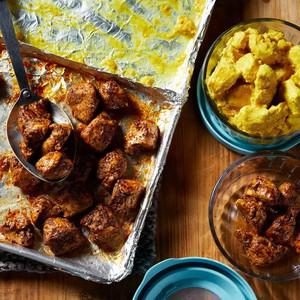
This meal-prep version honors the Maya principle of time: marinate the night before, cook the next day, and eat for the rest of the week.