Tenochtitlan · 1450 AD · The Aztec Pochteca Markets
Tlaxcal Chīlli Tlapalōlli
The pochteca were the long-distance merchants of the Aztec Empire — a hereditary guild of traders who traveled routes spanning thousands of miles, carrying cacao, jade, quetzal feathers, and obsidian between the cities of Mesoamerica. They traveled in large caravans, moving only at night to avoid the worst of the tropical heat, and their provisions had to be durable, nutritious, and capable of being assembled quickly at a roadside camp.
The food historians of the National Autonomous University of Mexico have reconstructed the pochteca's trail provisions from the pictographic records of the Codex Mendoza: dried chili, dried lime powder, dried maize, and preserved protein — typically dried turkey or fish — that could be reconstituted with water and assembled into a meal in minutes. The combination of chili heat, lime acid, and the complex smoky flavor of dried chile was designed to make preserved food taste alive again.
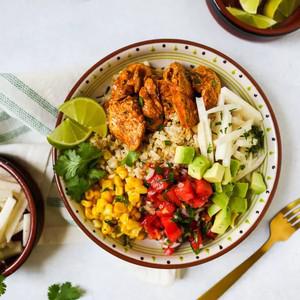
The modern meal-prep bowl — rice and protein prepared in advance, assembled cold for the week's lunches — is the most direct living descendant of the pochteca's trail provisions. Different ingredients, identical logic: make it ahead, make it portable, make it so good that you don't mind eating it for the fourth day in a row.